Choosing taps for a Paris apartment, not a catalogue
Most of our clients renovating a bathroom in Paris arrive with a reference in mind: a mixer seen in a hotel in Milan, a shower system from a home in New York, a finish picked from a magazine. The tap itself is rarely the problem. What decides whether it will look and work as intended is the building around it — the age of the pipework, the water pressure on the fifth floor of a Haussmann block, the hardness of Paris water, the depth available in a wall that was never designed to hold a concealed valve.
Wild Rénovation selects, orders and installs luxury taps and fittings in Paris as part of the bathroom or kitchen project, not as a separate purchase. That is how the rough-in bodies end up in the right place before the marble is cut, and how the finish on the basin mixer matches the shower, the towel rail and the door handles.
"The best fitting is the one chosen with the wall behind it in mind."
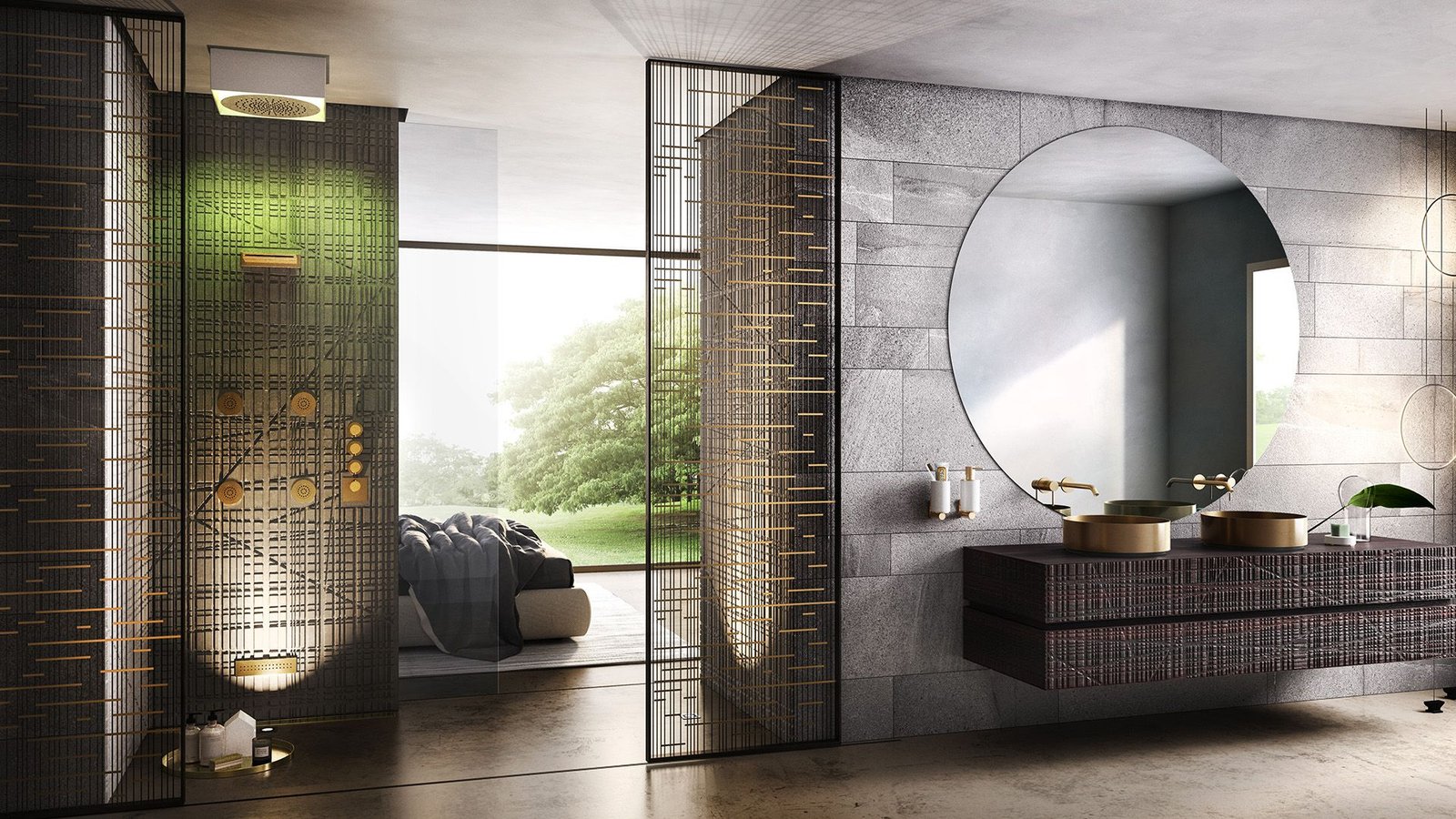
The brands we install most often
Gessi
Italian, sculptural, with a wide range of finishes. Gessi suits clients who want the taps to be a visible design statement — floor-standing bath fillers, wall-mounted spouts on stone, coordinated accessories.
Dornbracht
German engineering and restrained lines. A strong choice for thermostatic showers with several outlets, and for clients who value precise temperature control over ornament.
Fantini
A family manufacturer on Lake Orta working with well-known designers. Fantini fits projects that want something less expected, with a strong craft element.
Vola
The Danish wall-mounted classic. Its concealed bodies and slim spouts work particularly well with marble slabs and plaster walls, where only the essential remains visible.
What changes when you renovate in Paris
- Hard water — Paris water is calcareous. Brushed and satin finishes hide marks better than polished ones, and aerators and shower heads should be easy to descale. We discuss this before the finish is ordered.
- Pressure and old risers — in older buildings, pressure varies from floor to floor. Rain showers and multi-outlet systems may need a pressure check, a booster or larger supply pipes, decided at the design stage.
- Wall depth — concealed valves need space. Partition walls are often rebuilt or thickened to receive them, and a maintenance access is planned where the stone layout allows it.
- Imported fittings — clients sometimes wish to install fittings bought abroad. North American and European connection standards differ, so we check compatibility, certification and spare-part availability in France before anything is fitted.
- Lead times — many Italian and German references are made to order in specific finishes. Ordering is scheduled early so the fittings arrive before the tiling, not after.
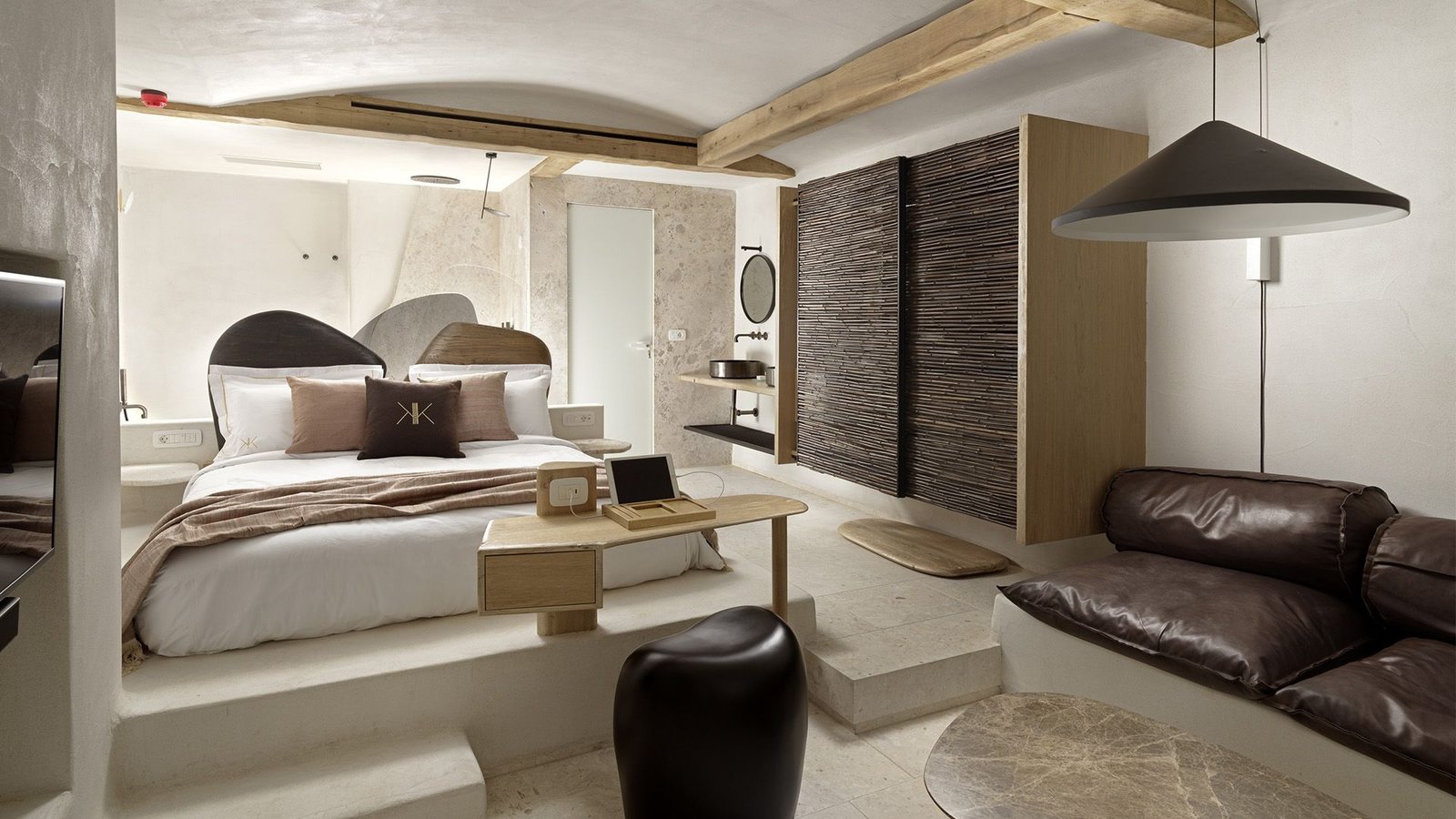
How installation is sequenced
Rough-in bodies are set during the first-fix plumbing, with their exact heights and centres drawn on the elevation of each wall. Pressure tests are carried out before the walls are closed. The marble or tile layout is then drawn around the outlets, so that a spout sits on a joint line or centred on a slab rather than wherever the pipe happened to arrive. Trims and handles are fitted last, once the stone is sealed and protected.
Fittings are one part of a wider bathroom project: the luxury bathroom renovation, the concealed plumbing behind it and the marble work around it are coordinated by the same team, under a single schedule.